ServicesEmergency Dentistry
Emergency Dentistry in Highland Village
A throbbing tooth, a cracked cusp or a crown that came off in your hand needs a real diagnosis. We find the cause, relieve the pain and tell you plainly whether the tooth can be repaired or whether replacing it is the better choice.
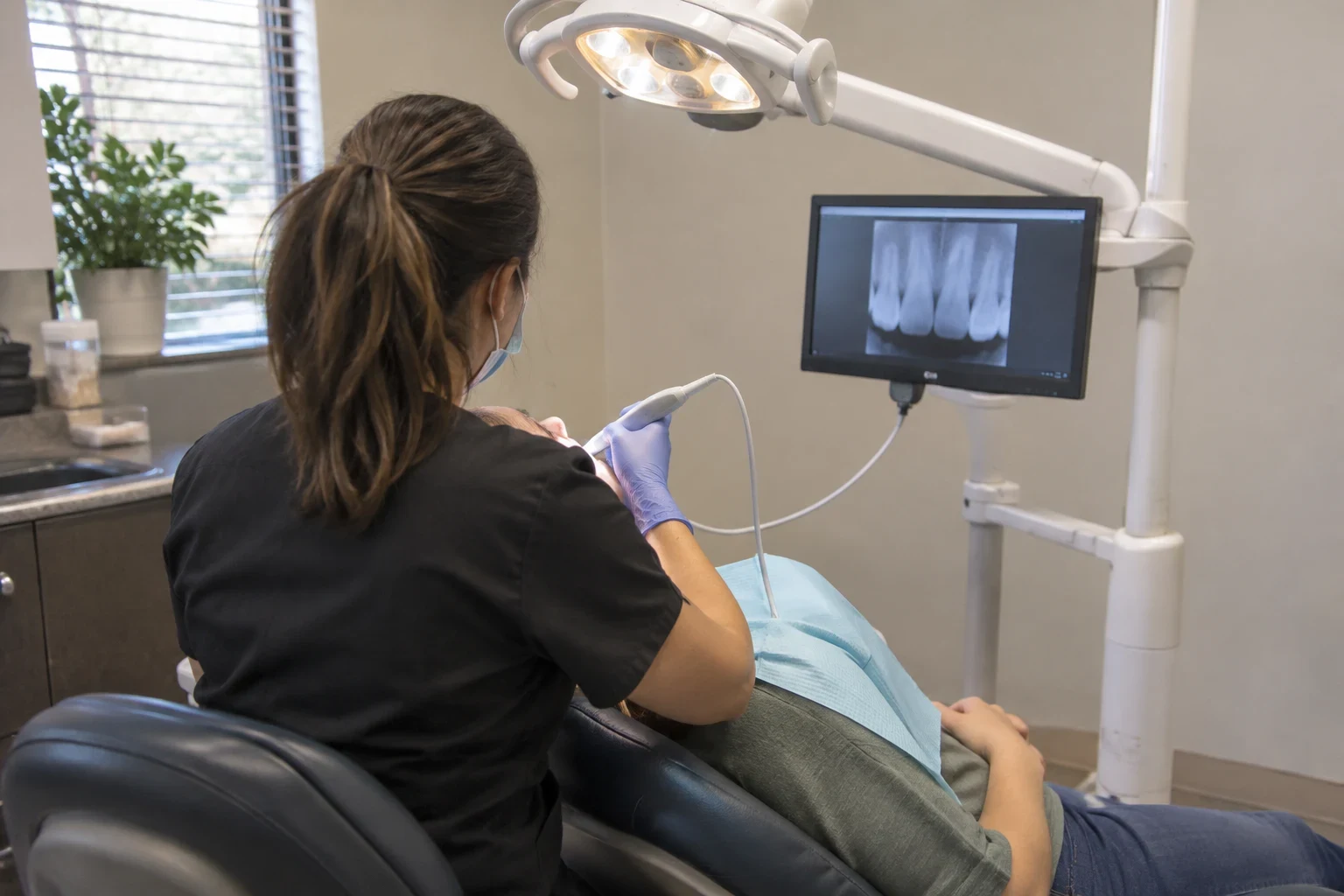
Urgent Dental Problems, Diagnosed Before Anything Is Removed
Most urgent dental visits come down to a few causes: decay that has reached the pulp, a fracture through enamel and dentin, an infection at the root tip, or a restoration that has failed. Each one hurts in a different way, and each one has a different fix. A tooth that aches with cold may only need a new filling. A tooth that throbs on its own at night usually means the nerve is inflamed or dying.
Our first goal is to stop the pain. The second is to keep your natural tooth when the structure is sound enough to support a filling, crown or root canal. When a crack runs below the gumline or too little tooth is left, we explain why, and we walk you through extraction and options such as dental implants so you can decide without pressure.
What Your Urgent Visit Covers
- Focused exam and imaging
- We look at the tooth, test it for cold and bite sensitivity, and take digital X-rays. If we need to see the root, the bone or a possible fracture in three dimensions, we use a CBCT scan.
- Pain relief first
- Local anesthetic numbs the area so we can work comfortably. Depending on the cause, relief may come from draining an abscess, removing an inflamed nerve or smoothing a sharp broken edge.
- Temporary protection
- A cracked or broken tooth can get a sedative filling or temporary crown to seal exposed dentin and keep the fracture from spreading while a permanent restoration is made.
- Lost crowns and fillings
- If the tooth underneath is healthy, we clean it and recement the crown or place a new filling. If decay has formed under the old margin, we show you on the X-ray before recommending anything else.
- An honest repair-or-replace answer
- You leave with a written treatment plan that explains what happened, what we recommend and why. If a root canal can save the tooth, we say so. If extraction is the safer choice, we explain that too.
When a Tooth Problem Should Not Wait
Throbbing that keeps you awake
Pain that starts without a trigger and pulses for minutes or hours usually means the pulp inside the tooth is inflamed or infected. Once it reaches that point, it seldom calms down without treatment.
A swollen gum or jaw
A pimple-like spot on the gum, a salty or foul taste, or puffiness along the jawline can signal an abscess at the root tip. The infection can work through the surrounding bone, so it needs drainage and treatment soon.
Pain when you let go of a bite
A sharp jolt as you release pressure is a classic sign of a cracked tooth. Found early, the crack can often be held together with a crown before it splits the root.
A chip or break, even without pain
A broken edge leaves dentin open to bacteria and can scrape your cheek or tongue. Covering it protects what is left of the tooth.
A lost crown, bridge or filling
Save the piece if you have it and bring it along. Uncovered tooth structure decays and fractures more easily until it is sealed again.
Hot or cold sensitivity that lingers
A twinge that fades right away is common. An ache that hangs on after the drink is gone tells us the nerve is under strain.
What Changes the Price of an Urgent Visit
Your cost is set by what we find and how much the tooth needs to be stable again. Before any treatment starts, we go through each line of your treatment plan with you, so nothing appears on the bill that you did not agree to. PPO insurance or our membership plan can lower your share.
What is actually wrong
Putting a loose crown back on or replacing a lost filling takes little chair time. Treating an infected nerve or removing a tooth takes longer and uses more materials, so it costs more.
How much imaging we need
Standard digital X-rays answer most questions. We add a CBCT scan only when a root fracture may be hiding or we need to measure the bone around the tooth.
The restoration that follows
A back tooth treated with a root canal is brittle and usually needs a crown to keep it from splitting. If the tooth cannot be kept, a dental implant, bridge or denture each comes with its own cost and timeline.
How you pay
We are in-network with more than 15 major PPO dental plans. Patients without insurance can join our In-house Membership Plan. You can also spread treatment over as long as 24 months at 0% interest, and seeing whether you preapprove does not touch your credit score.
How Your Visit Works
- 1
Talk to us by phone
Tell us what happened and where it hurts. We ask a few questions about swelling, fever and bite pain, then schedule you for an evaluation.
- 2
Find the cause
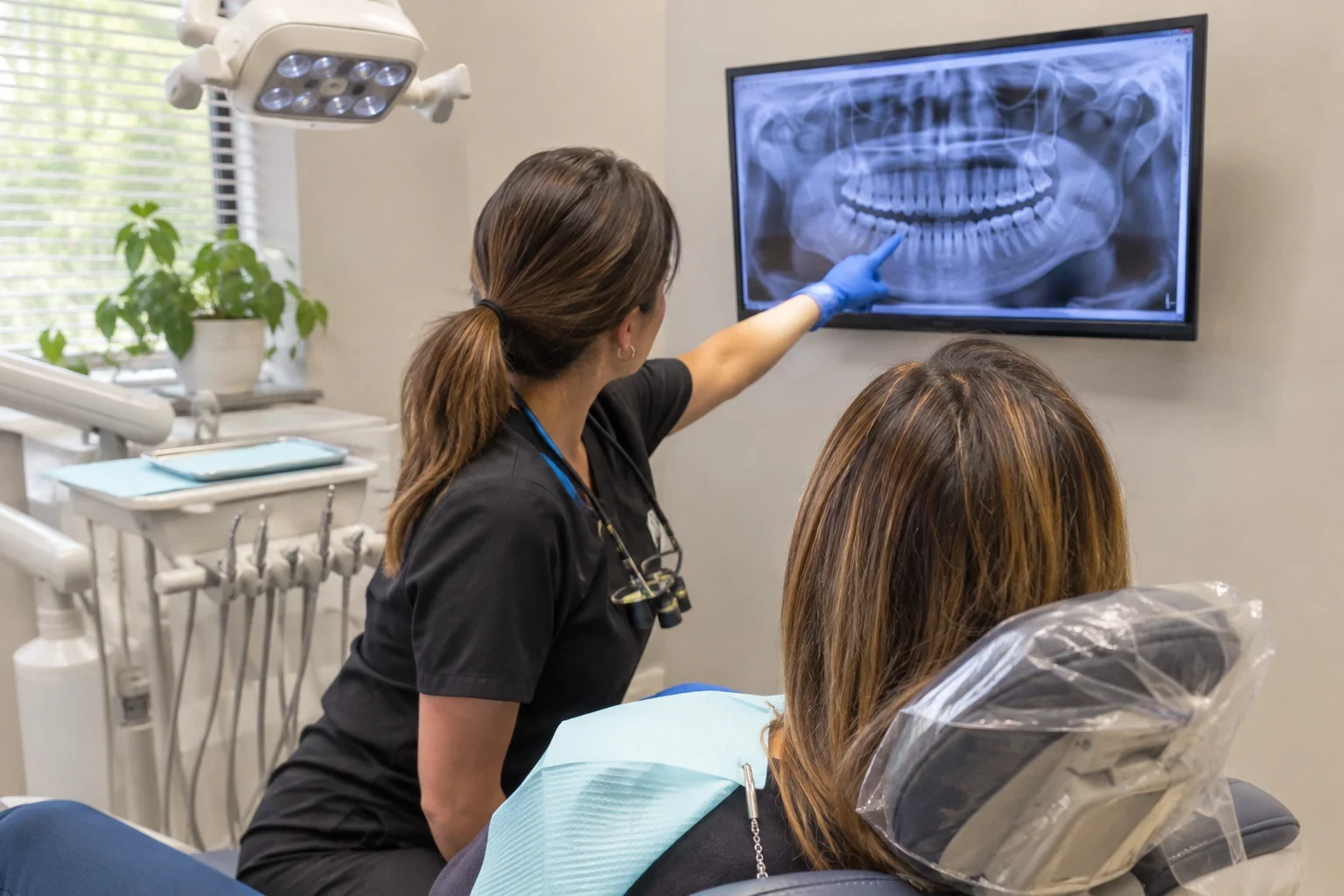
We examine the tooth, run sensitivity and bite tests, and review your digital X-rays or CBCT scan with you on screen so you can see what we see.
- 3
Relieve the pain
Once you are numb and comfortable, we treat the immediate problem. That might be a sedative filling, starting a root canal, draining an infection or recementing a crown.
- 4
Plan the permanent fix
We go over your treatment plan line by line, including whether the tooth can be restored or needs to come out, and what each option involves for cost and time.
Questions About Urgent Dental Visits
What do I get with the $25 focused evaluation?
For $25 we do a full exam of your mouth, take digital X-rays and add a CBCT scan when the problem calls for it. Then we sit down with you, explain the findings and build a treatment plan. With a painful tooth, that is usually enough to pin down the cause.
Are you going to recommend pulling my tooth?
Only when keeping it would not hold up. A filling, crown or root canal saves many teeth that hurt badly. Removal makes sense when a crack extends below the gumline, the root itself is split, or so little sound tooth remains that nothing can be anchored to it.
My crown came off. What should I do until my visit?
Put the crown in a clean bag or small container and bring it in. Chew on the other side and keep the area clean. When neither the crown nor the tooth under it is damaged, we can often clean both and cement it back in place.
When is a toothache a reason to go to the hospital?
Head to a hospital if swelling makes it hard to breathe or swallow, or if facial swelling comes with a high fever. Those signs mean the infection may be spreading. Most toothaches and broken teeth, though, are best handled by a dentist who can treat the tooth directly.
Is it okay to take pain medicine before I come in?
Many people get relief from over-the-counter pain relievers used according to the package directions. Do not hold an aspirin against the gum, because it can cause a chemical burn. Tell us what you took, and when, so we can plan your anesthetic.

Get a Clear Answer About Your Painful Tooth
We will find what is causing the pain, treat it and tell you honestly whether the tooth can be saved. Patients from Highland Village, Lewisville and Flower Mound are welcome.